Navigating Membership Tiers for Exclusive Access to Private French Castles and Their Culinary Traditions
Écrit par Drew Bauer · 25/8/2026
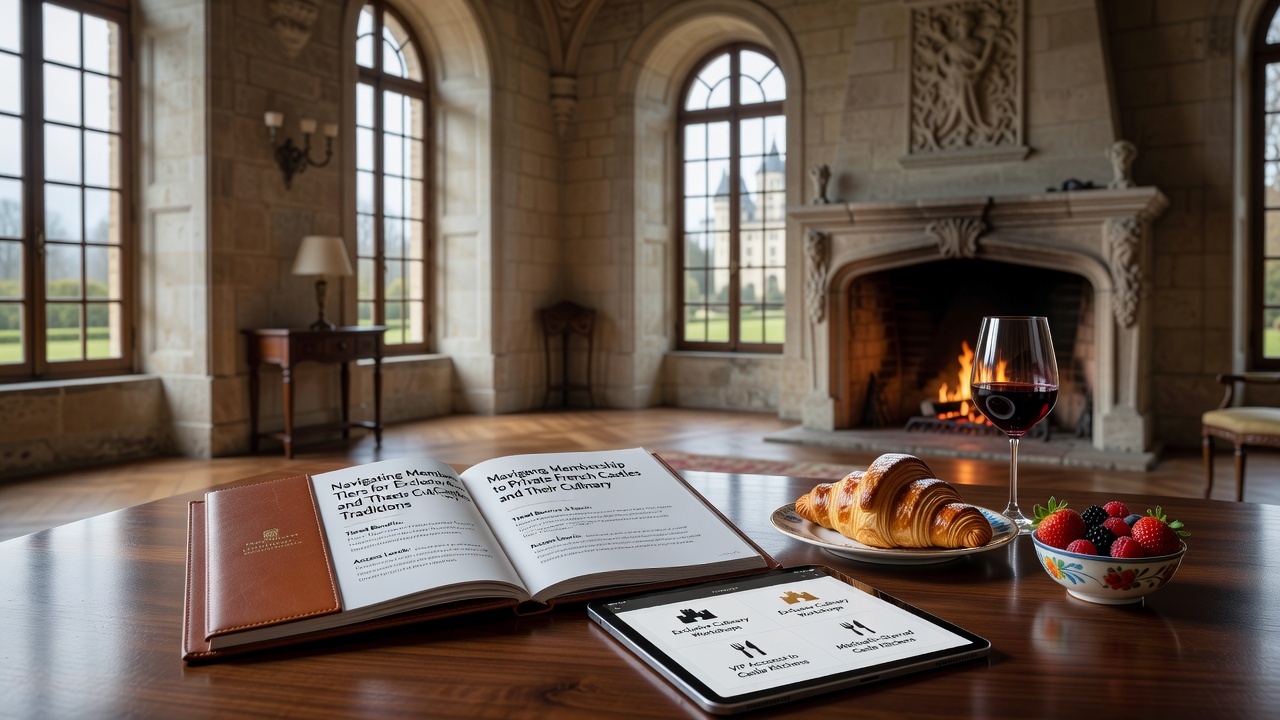
Navigating Membership Tiers for Exclusive Access to Private French Castles and Their Culinary Traditions
Private French castles offer structured membership tiers that grant varying levels of access to historic properties and their associated culinary programs, and these systems have evolved through partnerships between heritage organizations and hospitality groups over recent decades. Researchers at institutions focused on European cultural preservation have documented how different tiers determine entry to private grounds, seasonal events, and chef-led sessions that highlight regional recipes passed down through generations. Data from the French Ministry of Culture indicates that thousands of visitors participate annually in such programs, with tiered structures helping manage capacity while supporting ongoing restoration efforts at sites dating back to the medieval and Renaissance periods.
Core Components of Tier Structures
Membership levels typically range from entry-level options that provide seasonal day visits and guided tours to higher categories that include overnight stays and dedicated kitchen access, while intermediate tiers often combine limited lodging with select dining experiences centered on local ingredients like truffles from Périgord or wines from the Loire Valley. Observers note that these arrangements rely on annual renewal cycles and point-based systems where accumulated stays unlock additional privileges, and studies from heritage research groups show that such models help balance public interest with the privacy needs of castle owners. Those who have examined similar programs across multiple regions report that tier benefits frequently incorporate culinary workshops featuring techniques such as sauce preparation and pastry work taught by resident chefs.
Culinary Traditions Tied to Castle Access
Exclusive culinary traditions at these locations draw from centuries-old practices that blend farm-to-table sourcing with formal service styles, and members at advanced tiers gain opportunities to join multi-course meals prepared with produce from castle estates alongside demonstrations of techniques rooted in French gastronomic heritage. Evidence from academic reviews of European food history suggests that private castle settings preserve variations on classic dishes that might otherwise fade from wider practice, while integration with membership programs allows controlled sharing of these elements. People exploring these options often discover that sessions focus on pairings of regional cheeses with estate wines, and participation requires adherence to reservation protocols tied directly to tier status.
Progression Through Membership Levels
Advancement between tiers occurs through documented participation metrics such as number of visits completed or events attended, and this progression opens doors to private archives containing recipe collections alongside behind-the-scenes kitchen tours. Figures from industry reports on cultural tourism reveal steady growth in demand for these layered access models, particularly as properties incorporate modern sustainability practices into their traditional operations. Those managing the programs emphasize clear guidelines for each level, including dress codes for formal dinners and limits on guest numbers to maintain the intimate scale of experiences.
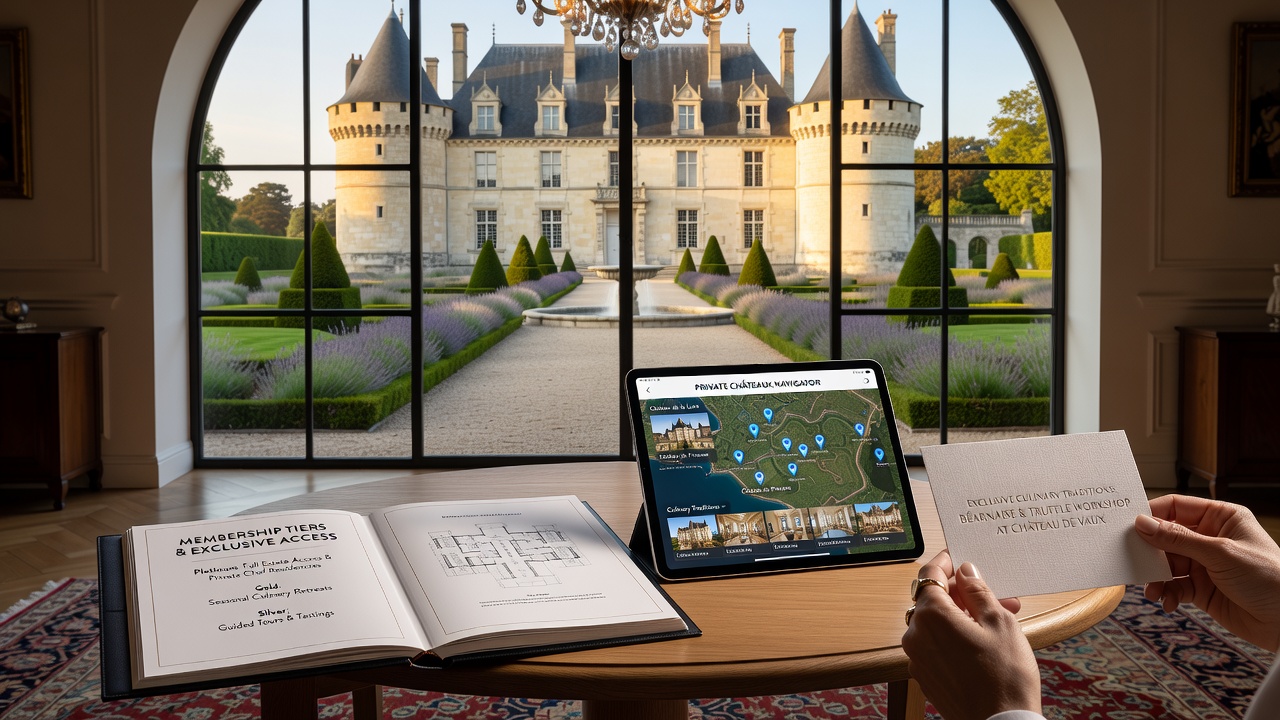
Special activations scheduled for August 2026 include expanded harvest-themed events at select properties where higher-tier members can engage in grape-picking followed by cooking classes that transform fresh yields into contemporary interpretations of historic menus. According to updates from the European Commission on cultural heritage initiatives, such timed programs align with broader efforts to promote seasonal awareness and support local producers connected to castle estates.
Practical Considerations for Participants
Prospective members review application processes that involve background verification and commitment to preservation codes, and successful enrollment grants digital portals for booking across the tier network. Research indicates that culinary components vary by property location, with northern castles emphasizing seafood preparations while southern sites highlight olive oil infusions and herb blends. External resources such as French Ministry of Culture publications provide context on regulatory frameworks governing private heritage sites, whereas reports from university-led studies on gastronomic tourism offer data on participation trends across different countries including contributions from Canadian and Australian researchers examining international membership models.
Conclusion
Structured tiers create pathways for sustained engagement with private French castles and their culinary legacies, and ongoing developments like the planned 2026 events demonstrate continued adaptation of these systems. Information compiled from heritage databases and tourism analyses underscores the role of clear tier definitions in facilitating access while preserving site integrity for future generations.